
"Arabian wine"
600 article(s) found

Introduction to the taste and flavor of planting mocha coffee beans in Yemen
Following Cafe (official Wechat account vdailycom) found that Beautiful Caf é opened a small shop in Yemen where coffee is grown: Yemeni coffee beans (Peaberrybean): smaller and rounder than most, these beans look like peas, sometimes known as mocha coffee beans. The shape of mocha coffee beans is similar to that of Harrar coffee in Ethiopia.

The latest introduction of Yemeni coffee boutique coffee
Yemeni coffee originated from Arabian coffee trees hundreds of years ago, all of which are produced in areas above 3000 feet above sea level. For hundreds of years, the unique planting and production methods of Yemeni coffee have remained almost unchanged. The seedlings of Yemeni coffee trees are first cultivated in nurseries and then transplanted to high elevations. Pesticides and fertilizers are not used in the breeding process. Mature coffee beans are naturally dried on coffee trees and shelled by stone mill.

The spread and Development of Coffee History
The spread and development of coffee European historians argue that there were artificially grown coffee trees for trade in Yemen in the southern Arabian Peninsula as early as 800 years ago, and there is also historical evidence that at that time, there was indeed trade across the Red Sea between Yemen and Ethiopia. Based on this, it is speculated that if the use of coffee is made by Ethiopians

Yemen is located in the Arabian Peninsula on the Asian continent. Mocha coffee
Coffee consuming countries are willing to pay high prices for coffee as long as it is delicious; consumers will not abandon coffee as long as it is delicious, and the market will grow. High-quality coffee, represented by specialty coffee, is bigger business than coffee. Both coffee producers and consumers have discovered this simple fact. In recent years, coffee producing countries no longer blindly pursue high yield and neglect quality.

Yemeni coffee flavor Yemeni coffee characteristics Yemeni coffee taste
Yemeni coffee originated from Arabian coffee trees hundreds of years ago, all produced in areas above 3000 feet above sea level. For hundreds of years, the unique planting and production methods of Yemeni coffee have remained almost unchanged. The seedlings of Yemeni coffee trees are first cultivated in nurseries and then transplanted to high elevations. Pesticides and fertilizers are not used in the breeding process. Mature coffee beans are naturally dried on coffee trees and shelled by stone grinding.

Refreshing and refreshing Yemeni coffee flavor, characteristics, taste and manor
Yemeni coffee originated from Arabian coffee trees hundreds of years ago, all produced in areas above 3000 feet above sea level. For hundreds of years, the unique planting and production methods of Yemeni coffee have remained almost unchanged. The seedlings of Yemeni coffee trees are first cultivated in nurseries and then transplanted to high elevations. Pesticides and fertilizers are not used in the breeding process. Mature coffee beans are naturally dried on coffee trees and shelled by stone grinding.

Boutique coffee culture, common sense, origin of coffee pedigree
The pedigree theory of coffee is the same as red wine, the quality of coffee has something to do with the origin. The most famous coffee producers are as follows: Mexico, a major coffee producer in Central America. The coffee here is comfortable and charming. The Mexican coffees selected are Coatepec, Huatusco and Orizaba, among which Cottpe is considered to be the best in the world.

Coffee's "pedigree theory" boutique coffee beans
The pedigree of coffee is the same as that of red wine. The quality of coffee has a lot to do with its origin. The most famous coffee producing areas are as follows: Brazil's largest coffee producing area. One of the most famous is Sandos coffee, it tastes mellow, neutral, can be boiled directly, or mixed with other types of coffee beans, is also a good choice. Other types of Brazilian coffee such as Rio,

Spicy and stimulating Yemeni fine coffee beans Flavor Taste Aroma Description Introduction
Mokha Mattari: A coffee market name from Bani Mattar(also spelled Bany Mattar) province west of Sanaa, Yemen. Coffee grown at high altitudes, usually with good red wine aromas, dry fruit flavors, thick taste, deep roast often showing chocolate bitter sweetness. Good quality martali. Small beans.

Introduction to the history and customs of the earliest drinking coffee and the production of coffee beans and Arabian coffee
As the first region in the world to drink and produce coffee, Arab coffee culture is as old and old as its coffee history. In the Arab region, people still retain an ancient and long tradition and exquisite in terms of coffee quality, drinking mode, drinking environment and atmosphere. In Arab countries, if a person is invited

Yemeni coffee beans with unique flavor Origin and development History and culture
Mokha Mattari: A coffee market name from Bani Mattar(also spelled Bany Mattar) province west of Sanaa, Yemen. Coffee grown at high altitudes, usually with good red wine aromas, dry fruit flavors, thick taste, deep roast often showing chocolate bitter sweetness. Good quality martali. Small beans.

Flavor characteristics of Yemeni Coffee Classification of Yemeni mocha Coffee characteristics of Yemeni Coffee
Yemeni coffee Yemen produces bean-shaped berry coffee beans (Peaberrybean): this coffee bean is smaller and rounder than most coffee beans and looks like peas, sometimes referred to as mocha coffee beans. The shape of mocha coffee beans is similar to that of Ethiopia's Harrar coffee beans.

Arabian coffee with dry citric acid flavor
[Caturra] A mutant of Kaddura species Bourbon. It was first found in Brazil and began to be planted for commercial use in Minas Gerais, Brazil in 1937. The taste is sour with lemon or citrus taste, but it is not as sweet as Typica and Bourbon in terms of sweetness, because the sweetness of Caturra depends on the number and dosage of fertilizer applied by the grower. It has high production capacity, but it is necessary to maintain production capacity.

What boutique coffee beans are there in Yemen?
For more information on coffee beans, please follow the coffee workshop (Wechat official account cafe_style) Mokamadali (Mokha Mattari): the most famous coffee market name in the province of Mardali, west of the Yemeni capital Sanaa (another word is Bany Mattar). It is coffee produced at high altitude and usually has good red wine.

The characteristics and types of coffee beans does the coffee machine have to be cleaned every time you drink it?
● Ethiopia (Africa) Arabica coffee is the hometown of Arabian coffee, which grows at high latitudes and needs a lot of manual care. This is the famous Esopiamoca, which is similar to wine in acidity, fragrance and high yield. Unfortunately, some farmers do not know the benefits of picking fruits and allow them to pick them up from the ground after falling, but in recent years, due to the continuous expansion of the market

The Origin of Coffee from High-quality Coffee beans
The pedigree theory of coffee is the same as red wine, the quality of coffee has a lot to do with the origin. The most famous coffee producers are as follows: Brazil's largest coffee producer. One of the most famous is Sandos Coffee, which tastes mellow, neutral, can be directly boiled, or mixed with other kinds of coffee beans into a comprehensive coffee, is also a good choice. Other kinds of Brazilian coffee such as Rio,

The basic knowledge of Coffee in the Theory of Coffee
The pedigree theory of coffee is the same as red wine, the quality of coffee has a lot to do with the origin. The most famous coffee producers are as follows: Brazil's largest coffee producer. One of the most famous is Sandos Coffee, which tastes mellow, neutral, can be directly boiled, or mixed with other kinds of coffee beans into a comprehensive coffee, is also a good choice. Other kinds of Brazilian coffee such as Rio,
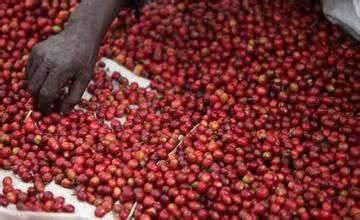
Refreshing, giving people an endless aftertaste of Yemeni coffee flavor, characteristics, taste and manor
Yemeni coffee originated from Arabian coffee trees hundreds of years ago, all produced in areas above 3000 feet above sea level. For hundreds of years, the unique planting and production methods of Yemeni coffee have remained almost unchanged. The seedlings of Yemeni coffee trees are first cultivated in nurseries and then transplanted to high elevations. Pesticides and fertilizers are not used in the breeding process. Mature coffee beans are naturally dried on coffee trees and shelled by stone grinding.

The Common sense of Fine Coffee beans the "lineage Theory" of Coffee
Like red wine, the quality of coffee has a lot to do with where it comes from. The most famous coffee producers are as follows: Brazil's largest coffee producer. One of the most famous is Sandos Coffee, which tastes mellow, neutral, can be directly boiled, or mixed with other kinds of coffee beans into a comprehensive coffee, is also a good choice. Other kinds of Brazilian coffee, such as Rio, Parana, etc.

The first cup of coffee in the world comes from the source and history of Arabian coffee.
If you ask an Arab friend what his most indispensable diet is, nine times out of ten he will hold out two fingers, dates and coffee. The Arab region is the main jujube growing area, where people love dates are well known, and coffee is generally closely related to European and American fashion and business atmosphere, how can it be an indispensable element of Middle Eastern customs? In fact, the first cup of coffee in the world